- English
- Español
- Português
- русский
- Français
- 日本語
- Deutsch
- tiếng Việt
- Italiano
- Nederlands
- ภาษาไทย
- Polski
- 한국어
- Svenska
- magyar
- Malay
- বাংলা ভাষার
- Dansk
- Suomi
- हिन्दी
- Pilipino
- Türkçe
- Gaeilge
- العربية
- Indonesia
- Norsk
- تمل
- český
- ελληνικά
- український
- Javanese
- فارسی
- தமிழ்
- తెలుగు
- नेपाली
- Burmese
- български
- ລາວ
- Latine
- Қазақша
- Euskal
- Azərbaycan
- Slovenský jazyk
- Македонски
- Lietuvos
- Eesti Keel
- Română
- Slovenski
- मराठी
- Srpski језик

How Can Mopa Marking Machines Revolutionize Industrial Laser Engraving?
Mopa Marking Machines have become a key tool in modern manufacturing, offering precision, flexibility, and efficiency in laser engraving and marking processes. Designed for industries ranging from automotive and electronics to jewelry and medical devices, these machines allow for high-quality, permanent markings on a wide variety of materials.
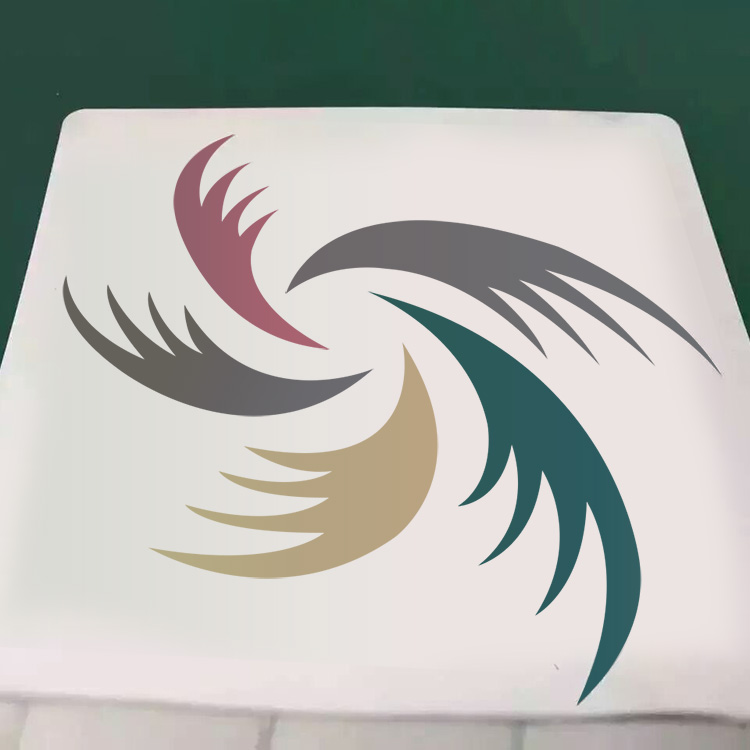
Mopa Marking Machines offer unique benefits compared to traditional laser marking solutions. The core advantages include:
-
Versatility Across Materials – Capable of marking metals, plastics, coated materials, and even sensitive surfaces without damage.
-
High Precision and Speed – Features microsecond-level pulse control to achieve fine detail and high-speed engraving.
-
Variable Pulse Control – Adjustable pulse widths allow deep or shallow markings with minimal heat-affected zones.
-
Durable and Permanent Markings – Creates markings that resist fading, corrosion, or wear.
-
User-Friendly Interface – Intuitive software simplifies design import, parameter adjustments, and real-time monitoring.
Key Specifications of a Typical Mopa Marking Machine:
| Parameter | Specification |
|---|---|
| Laser Type | MOPA Fiber Laser |
| Wavelength | 1064 nm |
| Power Range | 20W – 50W |
| Marking Speed | Up to 7000 mm/s |
| Minimum Line Width | 0.01 mm |
| Pulse Frequency Range | 20 kHz – 1000 kHz |
| Working Area | 110 mm × 110 mm – 300 mm × 300 mm |
| Cooling System | Air or Water-Cooled Options |
| Control Software | Compatible with CorelDraw, AutoCAD, AI |
By leveraging these features, industries can achieve efficient production cycles while maintaining exceptional quality standards.
How Do Mopa Marking Machines Enhance Production Efficiency?
In modern manufacturing, time and precision are critical. Mopa Marking Machines offer solutions that significantly reduce production bottlenecks:
-
Rapid Setup and Operation – Minimal calibration is needed; most systems can be operational within hours of installation.
-
Automation Compatibility – Machines integrate easily with conveyor systems or robotic arms for automated workflows.
-
Reduced Material Waste – Precision marking minimizes errors and reduces scrapped parts.
-
Energy Efficiency – Advanced pulse modulation consumes less electricity compared to older CO2 or traditional fiber lasers.
Common Applications Across Industries:
-
Electronics – Marking serial numbers, barcodes, and QR codes on circuit boards.
-
Jewelry & Luxury Goods – Engraving intricate designs without damaging precious metals.
-
Automotive – Durable marking of VIN numbers, components, and tooling.
-
Medical Devices – Creating sterilization-proof engravings on surgical instruments.
Frequently Asked Questions:
Q1: Can Mopa Marking Machines mark coated or sensitive materials without damage?
A1: Yes. The adjustable pulse width and frequency control allow the machine to mark delicate surfaces without overheating or causing surface deformation. For coatings, the system can achieve contrast markings without penetrating the underlying material.
Q2: How do Mopa Marking Machines compare with standard fiber lasers in terms of flexibility?
A2: Mopa lasers offer variable pulse width control, unlike standard fiber lasers, which often operate at fixed pulses. This flexibility enables marking on a wider range of materials, from metals to plastics, while providing higher contrast and finer details.
Why Is Mopa Technology Considered a Future Trend in Laser Marking?
The evolution of Mopa Marking Machines indicates a clear shift in industrial marking practices. Several trends highlight their growing importance:
-
Customization and Personalization – Demand for custom engraved products is increasing, and Mopa machines provide high-speed, precise solutions for mass customization.
-
Miniaturization – As devices and components become smaller, precise micro-marking is essential. Mopa lasers enable marks as small as 0.01 mm without compromising clarity.
-
Integration with Smart Manufacturing – Mopa machines are increasingly compatible with IoT systems, enabling remote monitoring, predictive maintenance, and data-driven quality control.
-
Eco-Friendly Manufacturing – Reduced energy consumption and lower material waste align with green manufacturing initiatives.
The versatility and adaptability of Mopa technology make it an indispensable tool in next-generation manufacturing, ensuring businesses can meet evolving market demands efficiently.
How to Choose the Right Mopa Marking Machine for Your Business Needs?
Selecting the optimal Mopa Marking Machine involves assessing production requirements, material types, and desired output quality. Key considerations include:
-
Material Compatibility – Determine if the machine supports all materials you need to mark.
-
Power Requirements – Match laser power to the thickness and hardness of materials for optimal results.
-
Working Area Size – Ensure the machine can handle the largest parts or multiple components simultaneously.
-
Software and Automation Integration – Check for ease of use, compatibility with CAD/CAM software, and potential for workflow automation.
-
Maintenance and Support – Reliable service and technical support ensure minimal downtime and long-term operation.
Mopa Marking Machines, particularly those offered by Luyue, provide a perfect balance of performance, flexibility, and durability. By choosing a well-configured system, businesses can optimize productivity, reduce costs, and achieve consistent high-quality marking.
For more information on how Mopa Marking Machines can transform your production process, and to explore available models tailored to your specific industry, contact us today. Luyue’s professional team is ready to provide detailed guidance, live demonstrations, and technical support to help you select the ideal marking solution.